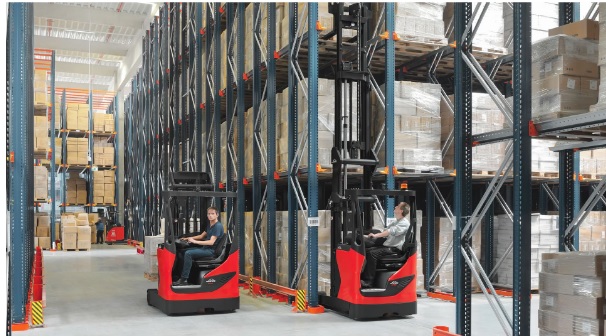
Warehouse space is becoming an increasingly significant factor for firms dealing with increased inventories, expanded product lines, and escalating operational needs. When extending a warehouse’s physical footprint is not feasible, making better use of existing space becomes a priority. One effective way is to increase storage capacity vertically rather than distributing products over the floor.
A high reach forklift enables operators to reach elevated pallet placements while navigating limited warehouse lanes. For businesses looking to improve storage density without compromising everyday operations, this equipment can play an important role in creating a more efficient warehouse environment.
- Makes Better Use of Vertical Storage Space
One of the most significant advantages of high reach forklifts is their capacity to access storage areas at great heights. Instead of limiting inventory to lower storage levels, warehouses can build taller pallet racking systems to take advantage of available overhead space.
This method enables enterprises to store more goods in the same building footprint. It is especially useful in distribution centres, manufacturing facilities, and wholesale warehouses that handle a big amount of palletised inventory.
However, increasing racking height necessitates meticulous planning. Before changing a storage arrangement, take into account the forklift’s maximum lifting height, rated capacity at elevation, pallet size, and available overhead clearance.
- Supports Narrower Warehouse Aisles
Traditional counterbalance forklifts require more space to move, especially when turning and arranging loads. In warehouses where every square metre matters, wider operating aisles can significantly limit the number of storage bays that can be installed.
Reach forklifts are designed to work in relatively small aisles. Their retractable mast mechanism allows the forks and load to extend towards the racking and retract during transit, allowing the equipment to navigate in a smaller operational space.
Businesses with properly selected equipment may be able to lower aisle widths, add more racking rows, and improve pallet storage capacity.
The actual aisle requirements vary depending on the forklift model, pallet dimensions, load configuration, and turning criteria. These dimensions should be determined before finishing the warehouse layout.
- Improves Inventory Handling and Accessibility
Maximising storage capacity is only beneficial if team can retrieve inventory efficiently. A poorly designed warehouse might result in extra travel distances, obstructed pathways, and delays during picking and refilling.
High reach forklifts serve to address these issues by allowing operators to transport palletised products between storage levels without needing additional handling equipment for each elevated movement.
This makes them ideal for warehouses that often transport entire pallets between receiving areas, storage facilities, and dispatch zones.
When paired with clearly structured inventory locations and well-planned racking layouts, they can help to improve material flow and consistency in warehouse operations.
- Helps Businesses Manage Growing Inventory
Businesses often experience fluctuations in inventory levels due to seasonal demand, new product launches and changing customer requirements. When storage space is already restricted, incorporating more inventory might be difficult.
Extending the warehouse or moving to a larger building necessitates extensive planning and expenditure. Making better use of existing vertical space can be an additional option.
A high reach forklift enables firms to explore higher-density storage solutions while maintaining access to individual pallet locations. This is especially useful for third-party logistics providers, e-commerce fulfilment centres, and wholesalers who manage varied product inventories.
However, storage density should not be at the expense of accessibility. Adequate working clearances, appropriate racking, and specified traffic routes remain critical.
- Supports Safer and More Controlled Warehouse Operations
Working in restricted places and lifting heavy loads at height necessitates a high level of worker safety. Choosing the proper forklift is just one element of the process. Operators must also comprehend the capabilities of the equipment as well as the operating conditions.
Before introducing high reach forklifts, businesses should assess:
- Load capacity: Confirm that the forklift can safely handle the intended load at the required lifting height.
- Floor conditions: Ensure warehouse flooring is suitable for the equipment and its operating requirements.
- Racking compatibility: Match the racking configuration to the forklift, pallet dimensions and stored goods.
- Overhead clearance: Account for lighting, sprinklers, roof structures and other potential obstructions.
- Operator competency: Ensure operators hold the required high-risk work licence and receive appropriate workplace training.
WorkSafe Victoria also emphasises the significance of aligning aisle widths, racking capacity, and material-handling equipment with the real warehouse environment.
Regular equipment maintenance, racking inspections, and clearly defined pedestrian routes all contribute to a safer workplace.
- Choosing the Right High Reach Forklift for Your Warehouse
Not all warehouses have the same storage needs. Equipment selection should take into account maximum lifting height, pallet weight, aisle width, operating hours, and floor conditions.
Businesses researching forklifts Melbourne suppliers should look beyond the initial purchase price and consider the equipment’s suitability for their daily operations.
Electric reach forklifts, for example, can be a viable option for indoor warehouses that require manoeuvrability, regulated operation, and reduced local emissions. Battery types, charging procedures, and operation shifts should all be considered.
Working with an experienced materials-handling professional may assist firms in evaluating their warehouse architecture, determining equipment requirements, and selecting a solution that supports both present operations and future expansion.
Making Limited Warehouse Space Work Harder
Improving storage efficiency in warehouses with limited space needs more than just adding additional shelving. It entails coordinating racking design, equipment functionality, inventory movement, and workplace safety.
High reach forklifts provide a practical solution for making better use of vertical storage while operating in restricted aisles. Businesses can increase storage capacity, enhance accessibility, and make current facilities more efficient by investing in the correct equipment and designing a well-planned warehouse architecture.