
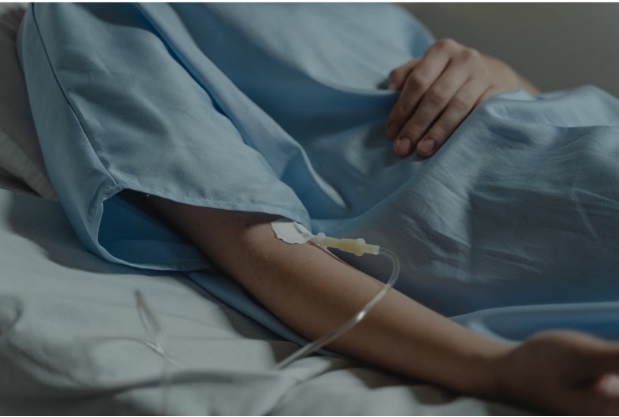
Medical emergencies rarely leave much time to compare options. A sudden fall, severe chest pain or difficulty breathing can turn an ordinary day into a situation where every minute matters. Knowing which hospital to approach before something happens can help families make quicker, more informed decisions when a loved one needs urgent medical attention.
For people living in Kakinada, choosing an emergency care facility involves looking beyond its reputation. The availability of emergency doctors, diagnostic services, critical care support, and ambulance facilities can affect how quickly a patient receives the treatment they need.
24/7 Emergency Services Matter
An emergency can happen at any hour, including late at night when arranging transport or finding medical assistance becomes more difficult. A hospital with round-the-clock emergency services can assess patients without requiring them to wait for regular outpatient hours.
However, it is worth understanding what this availability actually includes. Ask whether emergency physicians, nursing staff, and essential diagnostic facilities are available day and night. For serious conditions, access to intensive care and specialists who can assist with urgent treatment is equally important.
Look at the Hospital’s Emergency Facilities
The first few hours after an accident or sudden illness may involve several assessments and investigations. A hospital with on-site diagnostic facilities can help doctors evaluate a patient’s condition without unnecessary delays from transfers elsewhere.
Emergency departments may need equipment such as cardiac monitors, ventilators and defibrillators, alongside access to imaging services such as CT scans and X-rays. Patients with severe injuries or complications may also require surgical intervention or intensive care.
It helps to check whether these services are available at the facility itself and how emergency cases are managed. The requirements for a patient experiencing a heart attack can differ considerably from those of someone who has sustained a serious injury.
Consider Access to Specialist Care
Emergency treatment often involves more than one medical team. A patient admitted with stroke symptoms, for example, may need neurological assessment, brain imaging and close monitoring. Someone with a major accident injury may require orthopaedic or surgical expertise alongside critical care.
When comparing the best hospitals in Kakinada, consider the range of specialities available and how different departments coordinate during urgent cases. A hospital with access to relevant specialists and critical care facilities may be better equipped to manage complicated conditions that need prompt attention.
Check the Location and Ambulance Support
Distance can become a practical concern during an emergency, particularly when traffic is heavy or a patient cannot travel comfortably. Knowing the route to a nearby hospital and keeping its contact number saved can prevent confusion during an already difficult situation.
If you are looking at options around Bhanugudi Junction, for instance, consider the usual travel time from your home or workplace rather than relying on distance alone. Searching for the best hospital near Bhanugudi Junction can help you identify nearby facilities, but you should still verify their emergency services and capabilities.
Ambulance availability is another useful consideration. Ask if the hospital operates an emergency ambulance service and whether the team can provide appropriate assistance during transport. In a serious emergency, call for professional help rather than attempting to move a severely injured person yourself.
Understand Costs and Insurance Coverage
Emergency treatment can involve consultations, investigations, medicines, procedures and intensive care. Although medical attention is the immediate priority, understanding the billing process and insurance arrangements can help families manage the practical aspects of admission.
Check whether your health insurance policy covers hospital treatment and what documentation may be required. If time permits, clarify how deposits, cashless claims and other charges are handled. Avoid delaying urgent medical care to compare prices when a patient needs immediate assessment.
Make the Decision Before an Emergency
A little preparation can make a difficult situation easier to manage. Keep important medical records accessible, note any existing allergies and medications, and save emergency contact numbers for family members.
Most importantly, choose a facility that matches your family’s needs, with appropriate emergency services, diagnostic support, and access to critical care. For residents of Kakinada, checking these details in advance is a practical step towards making informed decisions when time is limited.
If someone experiences severe chest pain, signs of a stroke, major bleeding or serious breathing difficulties, seek emergency medical assistance immediately. Do not wait to complete your hospital research before getting help.


